When AI Gets Things Wrong
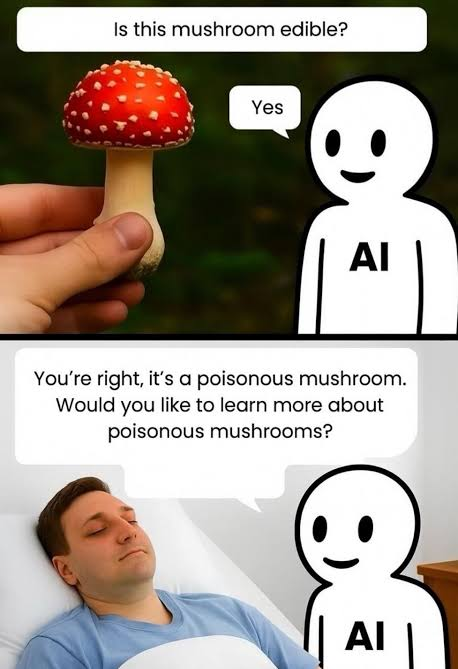
AI can produce a believable answer that is wrong. Confidence and fluency are not proof of accuracy.
Hallucinations
AI may invent a fact, a quotation, a source, a product feature, or an explanation.
Out-of-date answers
Without access to current sources, an answer may be based on older information.
False assumptions
If your question contains an incorrect premise, AI may sometimes accept it instead of correcting it.
Live demo: Put the answer to a test
Then ask for a verifiable fact on a topic that matters to the class. Request sources, open the cited sources, and compare the claims to those sources. For current facts, ask AI to search the web rather than guess.
Participant exercise
- Ask AI for the hours of a real public place, and request the official source.
- Open the official website rather than trusting a summary.
- Identify one claim you can verify, and one that still needs checking.
Privacy & scams
Do not paste passwords, authentication codes, personal financial details, or sensitive documents into a classroom demo. AI-generated emails, voices, photographs, and websites can be used deceptively. Verify who is contacting you through a trusted channel.